Casinos That Accept Google Pay in the UK: What to Check
 Available in GB
Google Pay availability, bonus eligibility and withdrawal routes can follow separate rules, so the cashier and offer terms both matter.
Table of Contents
- Google Pay, Slots and the Bonus Fine Print
- Before You Deposit: Limits, Currency and Cashier Checks
- Using Google Pay for Slots: Keep the Play in Check
- How to Check Whether an Online Casino Takes Your Payment
- Debit Cards, Apple Pay and the UK Credit-Card Rule
- If Google Pay Isn’t Available: Other Ways to Pay
- “Instant” Deposits Don’t Mean Instant Payouts
- Why a Google Pay Deposit May Not Come Back to Google Pay
- Keep the Payment Route and Account Details Consistent
- Google Pay Does Not Tell You Whether a Casino Is on GamStop
Google Pay, Slots and the Bonus Fine Print
Looking for slots and a bonus that can be used alongside Google Pay sounds like one decision: find a game, pick an offer, deposit, play. I used to treat it that way. The catch is that the payment method and the promotion can have separate rules, so a deposit route that works for your account does not automatically qualify for a bonus.
That distinction matters when you’re comparing online slots or casino offers. An advert may put the bonus front and centre, while the terms explain which deposits count. If you skip that part, you can end up making a deposit and then discovering that the offer was not attached to it, or that accepting it changes the conditions under which you can withdraw. Not the surprise you want.
A payment method can affect bonus eligibility
Google Pay being mentioned as a deposit option would not, by itself, tell you whether a particular promotion applies to a Google Pay deposit. Look for the offer’s own terms and any wording about eligible payment methods. If the terms are unclear, ask the operator before depositing rather than relying on a banner or a general page about payments.
When looking for a UK casino that accepts Google Pay, payment details are worth checking alongside your preferred deposit method. This list gives you one confirmed detail for each operator: its stated payout speed.
Payout speed: 1-3 business days Jetsetspins lists a payout speed of 1–3 business days, giving you a stated timeframe to consider.
Payout speed: 1-3 business days x3bet lists payouts as taking 1–3 business days. You can use this as a reference when reviewing its payment information.
Payout speed: 1-3 business days Revery Play gives a payout speed of 1–3 business days, a useful detail for you to keep in mind.
Payout speed: 1-3 business days Zombillion lists a 1–3 business day payout speed, so you have a stated timeframe to factor into your choice.
Payout speed: 1-3 business days NightLuck states that payouts take 1–3 business days. Check its payment details to see whether its methods suit you.
Payout speed: 1-3 business days Amunbet lists payouts at 1–3 business days, providing you with a clear stated timeframe.
Payout speed: 1-3 business days WinBeast gives a payout speed of 1–3 business days. You can consider this when checking the operator’s payment options.
Payout speed: 1-3 business days Chanze lists a 1–3 business day payout speed, a practical detail for you to note when reviewing payment information.
Payout speed: 1-3 business days EvoSpin states a payout speed of 1–3 business days, giving you a timeframe to consider.
Payout speed: 1-3 business days NightWin lists payouts as taking 1–3 business days. You can check its payment information for further details.
The same caution applies to other payment services. A specialist review I read reported that PayPal could be excluded from bonus eligibility. That is a report about a particular review and its information, not a rule to assume applies everywhere. Skrill and Neteller are available at some sites, and specialist reviews have also noted that these services are often excluded from promotions. The relevant offer terms are what matter for the account and promotion you are considering.
In other words, don’t assume that a method being available means it qualifies. And don’t assume the opposite either. The terms may treat payment routes differently, and promotions can have their own conditions. Check the exact offer before you decide whether to opt in.
Read past the headline
A bonus headline tells you very little about how the offer works. I now look for the conditions attached to the promotion before I let the headline influence my choice. The key points are whether the deposit method is eligible, whether the offer needs to be activated, which games count, and what rules apply to bonus funds and withdrawals.
Those details can affect how you play. For instance, an offer may distinguish between games or set conditions for using bonus funds. Don’t assume every slot contributes in the same way simply because the promotion is advertised alongside casino games. If a term is unclear, treat it as unclear—not as permission to guess.

I also avoid letting a large-sounding offer decide how much I deposit. A promotion is not extra cash without strings; it is a set of terms you agree to follow. If you would not make the deposit without the bonus, pause and work out whether the offer is actually worth the conditions. I’ve found that a few minutes with the terms beats the irritation of finding out later that I misunderstood them.
Keep the game choice separate from the payment choice
People often look for slots that work with a particular payment route, but those are two different questions. A payment method does not identify which games are available, and a game title does not establish that a deposit method is supported or that a bonus applies to it. Keep those checks separate.
If your priority is a particular kind of slot, read the game information and the promotion rules independently. If your priority is paying with Google Pay, focus on whether the operator supports that route for your account and whether the chosen offer includes deposits made that way. Neither detail should be inferred from a general claim about “slots and bonuses”.
The phrase “bonus included” can sound simple. It isn’t. It may mean the offer is available to eligible customers, subject to its terms—not that every payment method, game, or deposit qualifies. A little scepticism helps.
Don’t let the offer make the decision for you
When comparing casino offers, I’d put the payment conditions beside the bonus conditions rather than reading them as separate fine print. Confirm that the promotion applies to the way you intend to deposit, and that you understand what accepting it means for your play. If you cannot tell from the terms, ask for clarification before opting in.
- Check the offer’s own terms for eligible payment methods
- Ask the operator for clarification if terms are unclear
- Read the conditions before letting a headline influence you
- Treat the payment route and game choice as separate checks
- Assume a method qualifies for a bonus just because it’s available
- Let a large-sounding offer decide how much you deposit
- Infer bonus eligibility from a general claim about slots
- Trust a bonus headline without checking the fine print
That approach is more useful than trying to find a universal list of “Google Pay bonus” offers. Availability and eligibility can be different questions, and an offer can change. Treat each promotion as its own set of rules. No headline is worth a blind deposit.
Before You Deposit: Limits, Currency and Cashier Checks
I used to look at the payment button and treat the rest as boring admin. That was how I ended up reaching the cashier ready to deposit, then discovering the amount I had in mind did not fit the method’s minimum. The sensible check comes before you enter payment details: find the deposit limits and account currency shown for your own account, then decide whether the route suits you.
A specialist review puts the minimum deposit range at £10–£20, with the precise figure depending on the payment method. Treat that as a guide to what you may encounter, not a promise that every casino or route uses those figures. The cashier’s stated minimum is the one that matters for the transaction in front of you. If it is higher than you planned to spend, do not add extra just to make the payment go through.
The same goes for maximums. A deposit cap may apply to one transaction, or be set over a day or a month. The amount can vary by payment method and account status, so there is no single maximum to assume from a general description. Check whether the screen is showing a per-payment cap or a wider account limit; those are easy to confuse when you are moving quickly.

Read the labels. Then read them again.
Check the amount before committing
A payment screen can present a field for the amount without making every relevant restriction obvious at first glance. Before confirming, look for the minimum and maximum attached to that specific deposit route, and check whether the site describes separate daily or monthly caps. If your account has a lower available maximum than the method’s advertised cap, the amount you can actually enter may be different.
I would also avoid assuming that a limit you saw on one visit will apply to another method or account state. Maximum deposits can depend on both. Keep the check tied to the method you intend to use and the account you are signed into; broad figures on a review page are not a substitute for the current cashier display.
This is about the amount you can put in, not a recommendation to deposit up to a stated ceiling. A limit is a boundary, not a target. Pick an amount you are comfortable losing before opening the cashier, and do not raise it just because a screen allows you to.
Make sure the account is in pounds
Currency deserves its own check. Specialist casino pages list GBP as supported, but that does not settle what currency your particular account is set to. Confirm the account currency before your first transaction. If the account is held in another currency, a deposit in pounds may be converted, and the amount credited can differ from what you expected.
If your account is held in a currency other than GBP, a deposit in pounds may be converted, and the amount credited can differ from what you expected.
That detail is easy to miss when the deposit field displays a familiar symbol or when you are concentrating on the payment amount. Look for the currency shown in the account settings and on the confirmation screen. If the two do not match, pause and find out how the transaction will be handled before you approve it. A displayed deposit amount is only useful if you know which currency it represents.
Conversion can make a small-looking discrepancy hard to judge. You may see an amount entered in pounds while the account balance is recorded differently, or a conversion rate may be applied along the way. Do not assume that the casino, payment provider and bank are all using the same currency treatment. Check what the account will receive and what your own payment account will be charged.
A quick pre-deposit routine
Before confirming, I would check these points in order:
- What is the minimum for the selected method?
- Is there a maximum per transaction, and are there separate daily or monthly limits?
- Is the displayed cap relevant to my current account status?
- Is my account currency GBP, or will conversion be involved?
- Does the confirmation screen show the amount and currency I intend to authorise?
If anything is unclear, stop rather than guessing. A cashier is not the place to discover that you have misunderstood a minimum, a cap or a currency setting. It takes less time to check those details before paying than to untangle a transaction you did not mean to make.
One more small habit helps: treat the final confirmation page as a receipt preview. Match its amount and currency against what you planned, and do not click through if either has changed unexpectedly. That is the point where a quick glance can save a needless surprise.
Using Google Pay for Slots: Keep the Play in Check
When I look for a way to pay by Google Pay and then play online slots, it is easy to let the payment method take over the whole decision. It tells you nothing about whether the games suit you, though, and it does not make a session safer or more controlled. Treat the payment route and the slot rules as separate things.
I would not assume that a casino offering Google Pay has a particular slot, or that a favourite game will be available there. Nor does a list of games tell you whether Google Pay can be used. Payment availability is specific to the casino and account; the games are a separate part of the offer. Keep those questions apart.
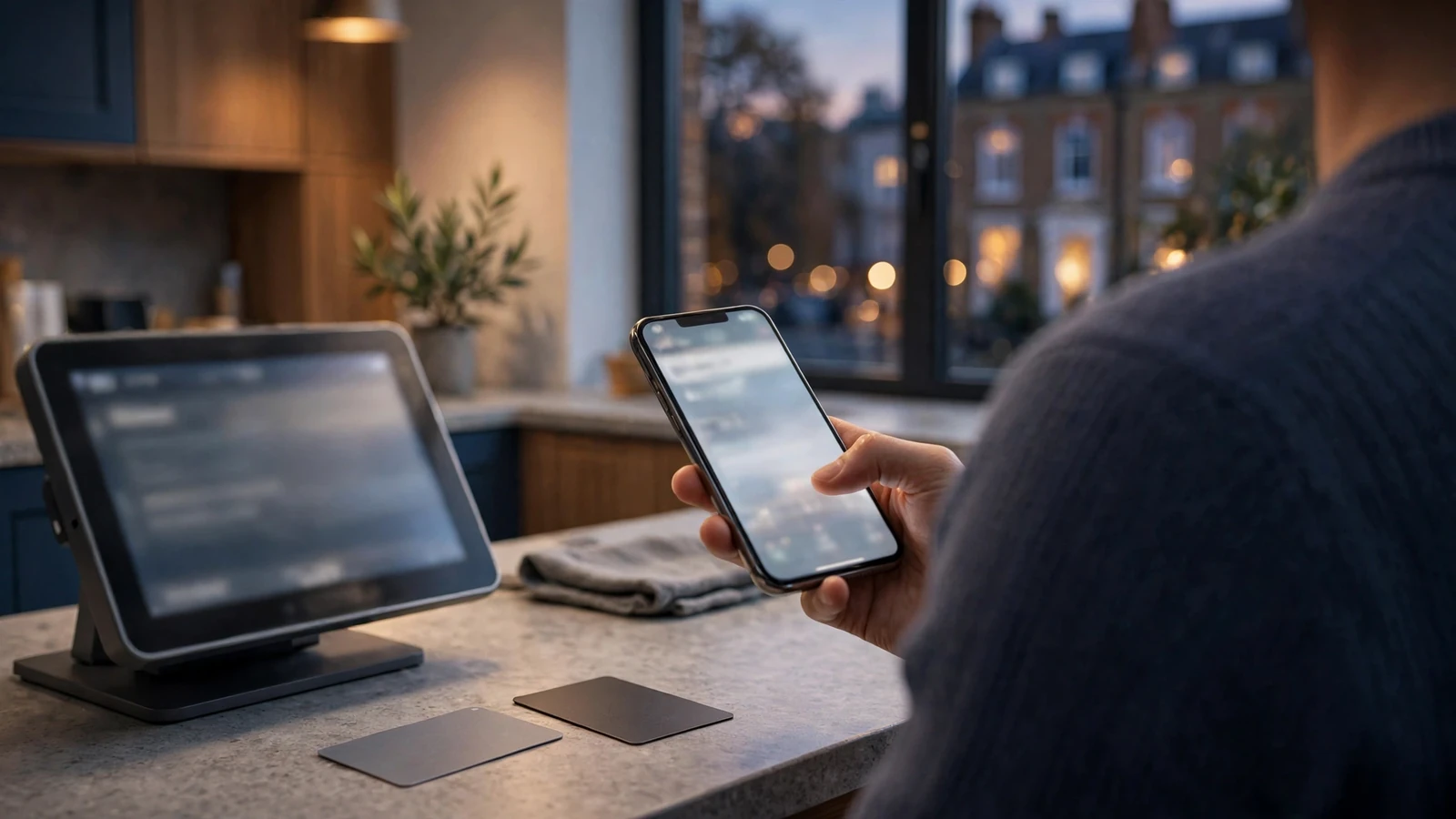
The words “best games” can also distract from the details that matter once you start playing. In Britain, online slots cannot offer autoplay. You have to start each spin yourself. That may sound like a small design rule, but it changes the rhythm of play: you cannot set a run going in the background and leave it to continue without you.
I used to think a feature that saved a few taps was just convenience. With slots, the pause between spins is worth keeping. It gives you a moment to notice what you are doing, rather than letting one round roll into another while your attention is elsewhere. No shortcut there.
There is also a minimum duration for a spin: each online slot spin in Britain must last at least 2.5 seconds. So a game cannot keep spinning at an arbitrary pace simply because you press quickly. That is a rule about how the play works, not a promise that you will spend less or come out ahead. The result of a spin remains uncertain.
In Britain, online slots cannot offer autoplay and each spin must last at least 2.5 seconds to ensure the rhythm of play is controlled.
If you are comparing mobile play, focus on whether the game is easy to follow on your screen and whether you can stop without fuss. A payment option does not tell you that. I have made the mistake of treating a smooth-looking setup as a reason to carry on; it is better to decide your own stopping point before opening a game and use the account’s available limit controls.
A new casino or a fresh-looking games page is not automatically a better fit either. Look for clear rules and controls, not just a large selection or a polished presentation. And do not read “Google Pay slots” as though Google Pay were a type of slot or a guarantee that every game on a site can be played through that payment route. It is only a way a deposit may be made where the casino supports it.
The practical order is simple: decide whether you want to play at all, set a boundary you can stick to, then consider the payment route independently. During play, take the required manual pause between spins seriously instead of treating it as an inconvenience. Small gap. Big difference.
How to Check Whether an Online Casino Takes Your Payment
I would not treat a payment logo on a casino’s home page as proof that I can use that route. The cashier is the useful place to check: sign in, open the deposit options and look for Google Pay there. If it is not shown, do not assume that a general mention of digital wallets means Google Pay is available to your account.
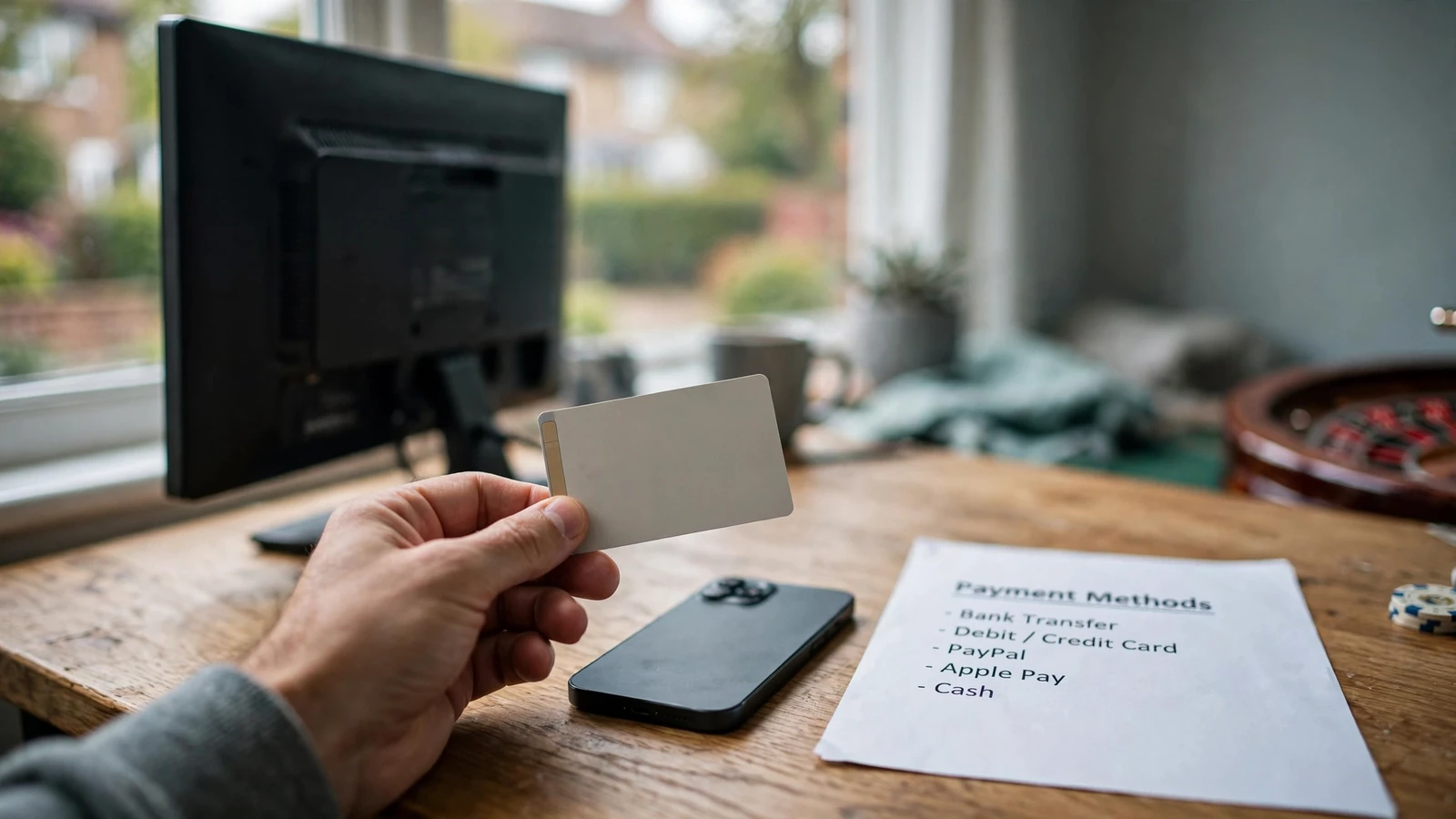
Payment options can vary between casinos and may change. A specialist review may list Visa and Mastercard, for instance, but that does not confirm that either is currently available to every UK customer or that every card product will work. The cashier gives you a more relevant answer for the account you are actually using. Check it before you start a deposit, rather than finding out halfway through.
The same distinction matters with cards. UK casinos commonly accept debit cards, including Visa and Mastercard, but a card brand is not the whole story. A payment route may be listed while a particular product bearing that brand is not eligible. Nor does card acceptance prove that Google Pay is accepted: the wallet route and a direct card payment are not interchangeable just because a card may be associated with a wallet.
I have made the mistake of reading a broad payment-method claim as a promise about my own checkout. It is not. A page can describe what a site supports in general; the cashier shows the options presented for your transaction. If the method appears there, read the on-screen instructions before proceeding. If it does not, do not force a different route on the assumption that it will behave the same way.
There is no need to create a deposit just to see what is listed. You can inspect the cashier options first and stop if the payment method you wanted is absent. If the wording is unclear, ask the casino’s support team whether Google Pay itself is accepted for deposits from UK customers, rather than asking only whether it accepts cards or mobile payments. Specific wording helps avoid a vague answer.
To avoid vague answers, ask the casino’s support team specifically whether Google Pay is accepted for deposits from UK customers, rather than asking generally about cards.
Keep the distinction simple: a card logo is not confirmation of every card product, and a wallet logo is not confirmation of every wallet route. Check the cashier for the exact method, then decide whether you want to continue. Less guesswork.
Debit Cards, Apple Pay and the UK Credit-Card Rule
When people talk about paying by card at a UK casino, they often mean a debit card, not a credit card. The distinction matters. Debit cards are commonly accepted for gambling payments, while credit-card payments for gambling have been prohibited since 14 April 2020. That rule remains in force.
I used to treat any card-shaped option in a payment menu as much the same thing. It isn’t. A debit card draws on money in your bank account; a credit card borrows against a credit facility. The UK restriction is about the funding source, not the plastic or digital format used to make a payment.
Debit cards and mobile wallets
Visa and Mastercard debit cards are commonly used at UK casinos. A mobile wallet is a separate payment route, even if a debit card sits behind it. So a casino taking debit-card payments does not, by itself, establish that it accepts Google Pay. Nor does seeing a card logo tell you which wallet or card product can be used for a particular payment.
Some casinos licensed by the UK Gambling Commission accept Apple Pay for deposits. That is a specific option, not evidence that every casino accepts Apple Pay—or that Google Pay works in the same way. Payment menus can make these routes look interchangeable. They aren’t.

If you are looking for Google Pay casinos in the UK, keep the question narrow: does the operator support that wallet for gambling payments, and is the linked card a debit card? Don’t treat “card accepted” as an answer to both. The wallet brand and the underlying source of funds are separate parts of the transaction.
The credit-card ban still applies
The regulator introduced the credit-card gambling ban on 14 April 2020. It has not been relaxed. Remote gambling operators cannot accept credit-card payments for gambling, including when the payment is routed through a money service business. In other words, adding an intermediary does not turn credit-funded gambling into an allowed debit-card payment.
There is also a restriction on wallet payments where the wallet lets credit-card funds be used for gambling. A digital wallet is not a workaround simply because the casino does not receive a conventional card number. The relevant issue is whether the payment uses prohibited credit-card funding.
That is why I wouldn’t assume that every card linked to a phone wallet is suitable. A debit card and a credit card may look equally easy to tap, but the funding behind them has different consequences. Keep the distinction clear.
For a UK player, the sensible mental model is simple: debit cards are a commonly accepted card route; Apple Pay is accepted for deposits at some UKGC-licensed casinos; and credit-card payments for gambling remain banned, including credit-card funding routed through a money service business. Google Pay is not automatically covered by either card label. A wallet name alone tells you too little.
No clever detour.
If Google Pay Isn’t Available: Other Ways to Pay
If Google Pay is missing from the payment choices, there are other routes to consider. I’ve learned not to treat a familiar logo as a promise that every casino will offer it; the alternatives vary, and each works a little differently.
Direct routes that may support instant deposits and fast withdrawals depending on the operator.
A prepaid voucher system that is strictly deposit-only.
E-wallet options, with Jeton being available at only a handful of UK online casinos in 2026.
Open banking lets you authorise a payment through your bank rather than entering card details. Bank transfers are another direct route. Some specialist reviews describe open banking and transfers as supporting instant deposits and fast withdrawals at many sites, but that isn’t a guarantee for every operator or account. Check what the payment method actually allows before relying on it.
A bank transfer can feel less like a separate wallet and more like paying straight from your bank account. Open banking may involve a guided authorisation flow, while a standard transfer can mean entering recipient details yourself. Neither label tells you, on its own, what the casino supports or how a transaction will be handled. Keep it simple: choose a route you understand.
Prepaid and less common options
Paysafecard is different from a bank-linked payment: it is a prepaid voucher and is deposit-only. That makes it a poor fit if you expect to use the same method for both putting money in and taking winnings out. I once focused on the deposit button and only later considered the whole journey. Easy mistake.
You may also come across Payz, which was called ecoPayz before its rebrand in 2022. It is an e-wallet option, though seeing its name in a general payment guide does not mean it will be offered by a particular casino. Jeton is more limited: specialist reviews report it at a handful of UK online casinos in 2026, rather than as a broadly available choice.

Other payment pages may mention e-wallets or bank-based methods alongside prepaid options. Don’t assume that two services with similar-sounding descriptions work alike. A voucher can be deposit-only, while another provider may have different rules for deposits and withdrawals. The label matters.
Choosing a practical substitute
I’d start with the payment route I already use and understand, then compare it with the alternatives actually offered to me. Think about whether it is deposit-only, whether it links to your bank, and whether you are comfortable authorising payments through that provider. A method that looks quick on a general review page may not be available for your account.
There is no universal “best” replacement for Google Pay. If you want a direct bank route, open banking or a transfer may suit; if you want to use prepaid funds, Paysafecard has a clear limitation to keep in mind. Less common services such as Payz or Jeton may be worth recognising, but their names alone are not a reason to sign up.
Pick the route that fits how you actually plan to pay. Not the flashiest logo.
“Instant” Deposits Don’t Mean Instant Payouts
The word “instant” can be misleading when you’re looking at casino payments. It may describe money arriving in your gambling account, not money reaching your bank when you cash out. A Google Pay deposit linked to a debit card might appear straight away, while a withdrawal made through a card route can take several business days. Those are separate transactions, moving in opposite directions and subject to different processing steps.
Withdrawal timing factors
Withdrawal speed depends on three separate clocks: the time the casino takes to process the request, the time the payment provider or bank takes to deliver the funds, and potential delays from bank cut-off times or currency conversions.
I used to assume a quick deposit meant a quick payout. It doesn’t. A specialist casino-payment review identifies PayPal, open banking and debit cards connected to fast payout systems as possible quicker withdrawal routes, but that is not a promise that every casino, account or transaction will move at the same pace. The method shown in a cashier is only part of the picture; the operator’s processing arrangements and the receiving payment service matter too.
Bank transfers have their own timing quirks. A payment instruction made after a bank’s cut-off may not be handled that day, and weekends can add waiting time. If money is converted between currencies, that can also affect when the transfer is completed. So “sent” and “available in your account” may be different moments.
When I compare a payment option, I now separate three clocks: how long a deposit takes to show, how long the casino takes to process a withdrawal, and how long the payment provider or bank takes to deliver it. A Google Pay deposit being quick tells you little about the other two. Same button, different journey.
Before relying on a speed claim, read the cashier’s withdrawal information and the payment provider’s terms. Look for whether the stated timing starts when you request a payout or after the casino has processed it, and whether weekends or bank cut-off times are mentioned. If the wording only says “fast”, it doesn’t tell you when the money will actually be usable. That distinction matters when you are choosing between casinos that accept Google Pay in the UK: judge deposit and withdrawal timing separately, rather than treating one as evidence of the other.
No instant-payout assumption.

Why a Google Pay Deposit May Not Come Back to Google Pay
A Google Pay deposit does not guarantee that a casino will send a withdrawal back through Google Pay. I used to treat the button I paid with as a promise about how I’d get the money out. It isn’t.
UK anti-money-laundering controls commonly require winnings to be returned to the original payment source. That closed-loop approach helps the casino check where funds came from and where they are going. With Google Pay, the route may involve the underlying card, so the cashier’s withdrawal instructions matter more than the wallet logo on the deposit screen. Don’t assume a Google Pay balance or the same digital wallet will be offered as the payout destination.
The casino may also need to approve the withdrawal before it is sent. A specialist casino review notes that this internal approval and account verification can affect how long a payout takes; first withdrawals may take longer while checks are completed. That is not the same as the payment provider processing the transfer. A casino can still be reviewing your request when the payment route itself has not begun.
If the cashier asks for documents, follow its instructions and make sure the information is readable. KYC checks may need to be completed before the casino releases funds, and an incomplete account can add a delay. I’ve learned not to read a status such as “pending” as a sign that the money is already on its way. Still waiting.
Before depositing, read the withdrawal terms for that specific casino and check what happens when the original method is a digital wallet. Look for whether the casino sends funds to the underlying card, requests another eligible route, or gives instructions after approval. The available route can depend on the operator’s process and your account’s verification status, so a general claim about Google Pay casinos cannot settle it for you.
Licensing Check
Do not treat a familiar payment option as proof of oversight; check the UK Gambling Commission public register to ensure the casino is licensed to serve the British market.
A Google Pay deposit also says nothing about whether a site is licensed. Real-money online casinos serving the British market must hold a UK Gambling Commission licence. Check the public register rather than treating a familiar payment option as proof of oversight. That small check is worth doing before money changes hands.
Keep the Payment Route and Account Details Consistent
When you deposit at an online casino, the payment details should belong to you, and the gambling account should be in your own name. It sounds obvious. But mismatched names or using somebody else’s payment route can turn a straightforward transaction into a conversation with support.
That applies if you’re considering Google Pay, too. A Google Pay payment is connected to a payment method, so check that the account and the route you use are yours. Don’t treat a partner’s card or wallet as a handy workaround. Even if they agree, the casino may need to establish who supplied the funds and whether they can be returned appropriately.
I used to think the important thing was simply getting the deposit through. That’s only half the picture. A clean paper trail matters when the casino reviews account activity, and basic ownership mismatches can create avoidable friction. Keep it boring. Boring is good here.
Where possible, use one named account consistently for deposits and withdrawals. Casinos may apply closed-loop rules, returning funds through the payment source used to deposit. If that route cannot be used for a withdrawal, another option may involve extra checks. This is not a reason to try a different person’s account; it can make the ownership question harder, not easier.
Before you pay, compare the name and details on your casino account with those associated with your chosen payment route. If something is wrong, sort it out with the casino before making a transaction rather than hoping it will be overlooked later. Keep any account information accurate, and answer requests for clarification directly.

This does not guarantee that a payment or withdrawal will be approved without questions. It simply removes one avoidable complication: the casino having to work out whether the account holder and the person behind the payment are the same customer. A consistent route is easier to explain. Less mess.
Google Pay Does Not Tell You Whether a Casino Is on GamStop
Google Pay is a way to pay; it is not a signal that tells you whether a casino is connected to GamStop. A casino accepting Google Pay might still be covered by a self-exclusion arrangement, and seeing the payment option does not show that a site is outside one. The two things answer different questions.
If you are looking for casinos not on GamStop that accept Google Pay, pause before treating “not on GamStop” as a useful safety label. It does not tell you whether the operator is licensed to serve customers in Great Britain. Remote gambling licensees serving the British market need a UK Gambling Commission licence, wherever they are based. Check the operator on the Commission’s public register before depositing; a payment logo is no substitute.
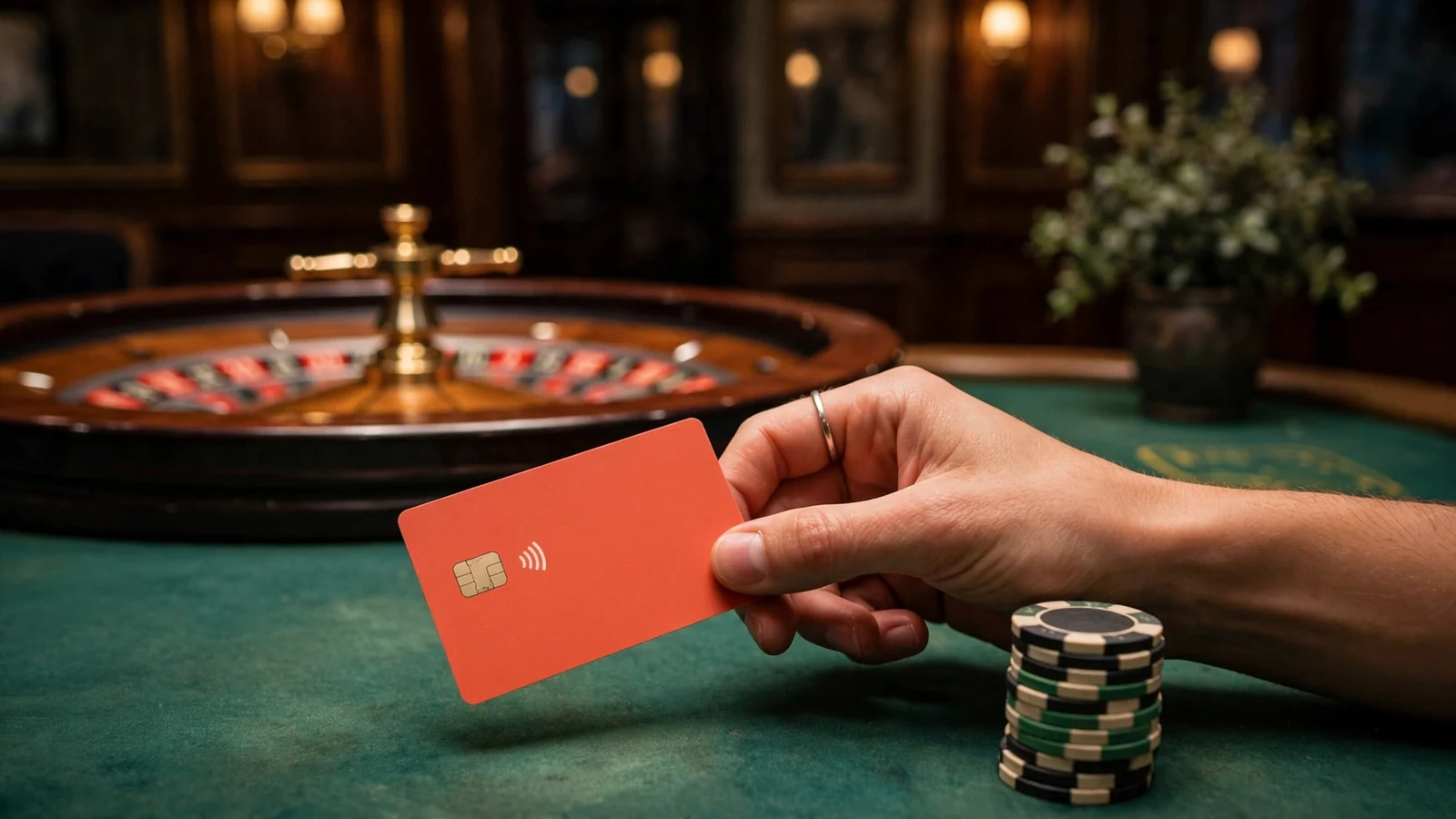
I would also separate a site’s self-exclusion arrangements from the controls on your own account. UKGC-licensed casinos must provide responsible gambling tools, including self-exclusion. Remote operators must also prompt new customers to set a financial limit before their first deposit and make account-level limit controls accessible. Those controls are worth finding before you play, not after a session has run away from you.
If you have chosen to self-exclude, do not use a payment method as a workaround or assume that a casino’s Google Pay option changes your exclusion. Check the status and terms of the self-exclusion scheme you used, and contact the operator if you are unsure how it applies. Where gambling feels difficult to control, setting another deposit limit may not be enough; stepping away and seeking support is a better next move.
“Google Pay casinos without GamStop” sounds like a clear category, but it mixes a payment route with a separate question about exclusion and licensing. Check each on its own. No shortcut there.
Are Visa and Mastercard deposits definitely debit cards?
Visa and Mastercard debit cards are commonly accepted at UK casinos, but check the cashier to confirm your card product is eligible. Credit card gambling has been banned in the UK since 14 April 2020.
Can I deposit in GBP?
Yes, GBP is supported. Check your account currency before depositing to avoid conversion costs.
What is the current minimum deposit?
The minimum commonly starts at £10–£20, depending on the payment method. Check the cashier’s stated minimum before depositing.
Are fast casino withdrawals guaranteed?
No. Withdrawal speed depends on the casino’s approval process and whether your account is fully verified.
Which payment methods are accepted in Great Britain?
Common options include debit cards, PayPal, open banking and bank transfers, with Paysafecard, Skrill and Neteller available at some sites. Some UKGC-licensed casinos also accept Apple Pay for deposits; check the cashier for current availability.
Which method has the lowest fees?
There is no single lowest-fee method for every transaction. Compare casino and provider charges, bank or issuer fees, currency conversion spreads and any network costs for the amount you plan to deposit.
Published by the Candyland Casino 4 team.