Casinos That Accept E-Checks in the UK: What to Check
 Available in GB
An e-check label is not enough: availability depends on the options shown in the casino cashier for the account.

Table of Contents
- What UK Casino Cashiers Actually Confirm About E-Checks
- Check the Cashier Before You Rely on an E-Check
- Deposit Routes You May See Instead
- Instant Deposits Don’t Guarantee Instant Access to Your Winnings
- Before You Make an E-Check Deposit
- How to Judge Whether a Payment Route Is Worth Using
- Check Payment Compatibility in the App and Cashier
- Deposit Limits Before You Commit
- The Costs That Can Hide in a Payment
- E-Check Withdrawals: Plan for Verification and Processing
What UK Casino Cashiers Actually Confirm About E-Checks
An e-check may sound like a straightforward way to pay from a bank account, but the label alone does not tell you whether a UK casino will take it. I would not treat a search result, a payment logo on a general page, or the words “bank payment” as confirmation that an e-check deposit is available. The useful answer is the one shown by the casino’s own cashier for your account.
That distinction matters because payment names can be easy to blur together. A bank transfer, an open-banking payment and an e-check are not automatically interchangeable just because each may involve a bank account. If a site lists bank transfer, that does not establish that it accepts e-checks. Nor does a generic promise of “bank payments” tell you which method is supported. Labels matter.
So, if you are looking for an e-check online casino in the UK, the sensible starting point is not a “best” or “top” list that uses the term loosely. It is whether an actual cashier presents e-check as a deposit choice. Without that, calling a casino an e-check site risks making an assumption on your behalf. I have learned not to confuse a payment method that sounds plausible with one I can actually select.
If you’re looking for a UK casino that accepts echecks, check that the payment method is available to you before depositing. The available detail here is payout speed, which can help you assess withdrawal expectations.
Payout speed: 1-3 business days Jetsetspins has a stated payout speed of 1–3 business days.
Payout speed: 1-3 business days x3bet has a stated payout speed of 1–3 business days.
Payout speed: 1-3 business days Revery Play has a stated payout speed of 1–3 business days.
Payout speed: 1-3 business days Zombillion has a stated payout speed of 1–3 business days.
Payout speed: 1-3 business days NightLuck has a stated payout speed of 1–3 business days.
Payout speed: 1-3 business days Amunbet has a stated payout speed of 1–3 business days.
Payout speed: 1-3 business days WinBeast has a stated payout speed of 1–3 business days.
Payout speed: 1-3 business days Chanze has a stated payout speed of 1–3 business days.
Payout speed: 1-3 business days EvoSpin has a stated payout speed of 1–3 business days.
Payout speed: 1-3 business days NightWin has a stated payout speed of 1–3 business days.
There are established payment routes in the UK market, but their existence does not prove e-check acceptance. UK casinos commonly accept debit cards, including Visa and Mastercard. That is useful context, not a substitute for checking the specific method you intend to use. A casino accepting a debit card does not mean it accepts every bank-linked payment, and an e-check should not be inferred from a card logo or a general payment description.
Open banking and bank transfers are also discussed as ways to fund gambling accounts. A specialist review describes these methods as capable of providing instant deposits and fast withdrawals at many sites. That is a claim about those routes, not evidence that a particular casino offers e-checks. Keep the categories separate; otherwise, a broad description can make an unsupported payment option sound confirmed.
The same caution applies to phrases such as “pay by bank”. They may describe a particular transfer service rather than every possible bank-based payment. Unless the cashier names e-check, you cannot reliably conclude that the casino accepts it. The practical point is plain. A nearby option is not the same option.
I would also be wary of lists that label sites as e-check casinos without showing what the cashier actually offers. A list can repeat a payment term while leaving you none the wiser about whether the method is selectable, whether it applies to deposits, or whether it is available to your account. The word “best” does not make that information more precise. It only makes the claim sound more confident.


For a UK player, the distinction between general payment information and an actual deposit option is especially important. Remote gambling licensees serving Great Britain must hold the relevant Gambling Commission licence, and licensed operators must follow UK rules on gambling payments. In particular, credit-card payments for gambling are not permitted. That does not tell you whether e-checks are supported; it is a separate boundary around what licensed casinos can accept.
I would not treat an e-check label as a reason to assume the payment will work, or as a sign that the casino has a special route unavailable through other methods. Check what is named, rather than what you think a label might mean. If e-check does not appear as an option, the honest conclusion is that you have not confirmed e-check availability there—not that a different bank method must be equivalent.
That is the line I use before trusting any claim about online casinos that take e-checks in the UK: the cashier needs to identify the method itself. Established routes such as debit cards, open banking and bank transfers provide useful context, but they cannot stand in for that confirmation. No guesswork.
Check the Cashier Before You Rely on an E-Check
A payment logo on a casino page is a starting point, not proof that you can use that method from your account. That matters if you are trying to find casinos that accept e-checks in the UK: don’t treat a general payment list or an old review as confirmation. Sign in and check the cashier attached to the account you intend to use.
- Sign in to your account
- Check the cashier for available methods
- Read conditions next to the method
- Rely on general payment logos
- Trust old reviews as confirmation
- Assume a method is enabled via support
I’ve learnt not to plan a deposit around a method just because it appears in a promotional panel. The cashier is more useful because it shows the options the operator is presenting for your account at that moment. Look for the deposit area, open the available methods, and see whether an e-check is actually offered. If it is not listed, don’t assume it can be enabled by choosing a similar-sounding option or by contacting support after you have started a transaction.
There is a difference between a casino saying it supports a payment brand and your being eligible to use a particular card or account. A specialist review lists Visa and Mastercard among the methods, but that does not confirm current UK availability or that every card product will work. Check the cashier itself, and read any conditions shown beside the method. A logo alone tells you very little about the account, card type or transaction you are trying to use.
For UK players, the distinction between debit and credit matters. UK-licensed casinos cannot accept credit-card payments for gambling. A card brand may issue different kinds of cards, so seeing Visa or Mastercard does not mean any card carrying that logo is suitable. The cashier’s terms should make clear what is accepted; if they do not, ask the operator before entering payment details. Don’t try to route a credit card through another payment service to get around the restriction.

I’d check while signed in, rather than relying on a page viewed before registration. Use the account you plan to fund, open its cashier, and inspect the options presented for a deposit. If the method you want is absent, treat that as a no for that account unless the operator confirms otherwise. If it appears, check the conditions attached to it before proceeding. That extra look is less frustrating than reaching the final step and discovering the route is not available to you.
The cashier should also be read in context. A method shown for one purpose is not automatically available for another, and a page listing payment brands may not explain which account holders or card products qualify. Don’t infer more than the screen says. If you cannot tell whether the displayed option applies to your payment details, pause and ask support a direct question: is this specific method available for my account and the payment instrument I intend to use?
Keep the account details consistent. Using a payment route and account information that belong to the same customer can reduce avoidable friction over basic ownership checks. That means checking that the name on your casino account matches the name associated with the payment method. If you spot a mismatch, resolve it before trying to pay rather than hoping it will be overlooked. Simple details can become a nuisance when they do not line up.
I would also avoid treating a failed attempt as a compatibility test. A declined payment does not necessarily tell you whether the casino supports the method; it may reflect eligibility or account details. Repeatedly trying variations is no substitute for checking the cashier’s terms or getting a clear answer from the operator. Keep the question specific and describe the method you see, without sending sensitive payment information through an ordinary support message.
Ensure the name on your casino account matches the name associated with your payment method to reduce friction during ownership checks.
This is a practical check, not a promise that every cashier will explain every restriction neatly. If the cashier does not show an e-check option, or its wording leaves you unsure, don’t build your plan around being able to use one. For a card, confirm both that the method is available in your account and that your particular card product is eligible. For any route, make sure the payment belongs to you and that the operator’s stated conditions fit your situation.
A few minutes in the right account can save a false start. Check the cashier, read the conditions, and stop if the details do not match. No guesswork.
Deposit Routes You May See Instead
When an e-check is not shown as a deposit route, the alternatives are not all interchangeable. Some are familiar bank or card payments; others use an e-wallet or a prepaid voucher. I’ve found it helps to think about what each route is for before assuming it will behave like a direct bank payment.
Debit cards are a common option at UK casinos, including Visa and Mastercard. That does not mean every card or account will work at every site: the payment method and your card’s eligibility still need to line up. Credit-card payments for gambling are not permitted at UK-licensed casinos, so don’t treat a credit card as a fallback if a debit-card transaction fails.
Bank transfers and open banking services are another route you may encounter. A specialist casino review describes them as capable of supporting instant deposits and fast withdrawals at many sites, but that is not a promise about every operator or account. The distinction matters: a payment route being available in general does not establish that it will appear for you, or that every part of the transaction will move at the same speed.

E-wallets and promotion conditions
PayPal is often chosen for its speed and convenience. There is a catch worth checking before you accept a promotion: a specialist casino review says PayPal may be left out of bonus eligibility. That is a report about the conditions described in that review, not a rule you should apply to every casino. Read the specific promotion terms and see whether the payment method is included.
Skrill and Neteller also appear at some sites. A specialist review describes both as being excluded from promotions in many cases, so I would check the terms rather than deposit first and hope the bonus still counts. That is the sort of small assumption that can turn a payment into a needless argument with support. Read the terms first.
A specialist review also describes Skrill as one of the more frequently encountered deposit methods at UK-facing casino sites in 2026. That gives you a reason to recognise the name, not a reason to expect it at a particular casino. Neteller and Skrill availability can differ from one site to another, and promotional treatment can differ too. A method can be accepted for a deposit while still being excluded from a particular offer.
Don’t mix up an e-wallet with the underlying source of funds, either. UK-licensed casinos cannot accept wallet payments where the wallet lets credit-card funds be used for gambling. The wallet option is not a workaround for the credit-card restriction.
Credit Card Restriction
UK-licensed casinos cannot accept credit-card payments for gambling, including those routed through e-wallets.
A prepaid voucher is not a withdrawal route
Paysafecard is a prepaid voucher for deposits. The important limitation is that it is deposit-only: it is not a route for receiving a payout. If you choose it, don’t assume that winnings can be sent back to the voucher. That mismatch is easy to miss when you are focused on getting money into the account.
That same deposit-versus-withdrawal distinction applies more broadly. A payment method being listed for deposits does not, by itself, tell you whether it can also receive withdrawals. For an e-check deposit, or any other route, avoid treating a deposit option as proof of a matching cash-out option. The casino’s own payment information needs to make that clear.
Treat the names as possibilities, not a menu
You may see a mix of cards, bank-based payments, e-wallets and prepaid options across UK casino sites. The mix is not a fixed menu, and the presence of a method at one operator tells you little about another. Even a payment brand that appears frequently in specialist coverage is not guaranteed to suit your account or the offer you want to use.
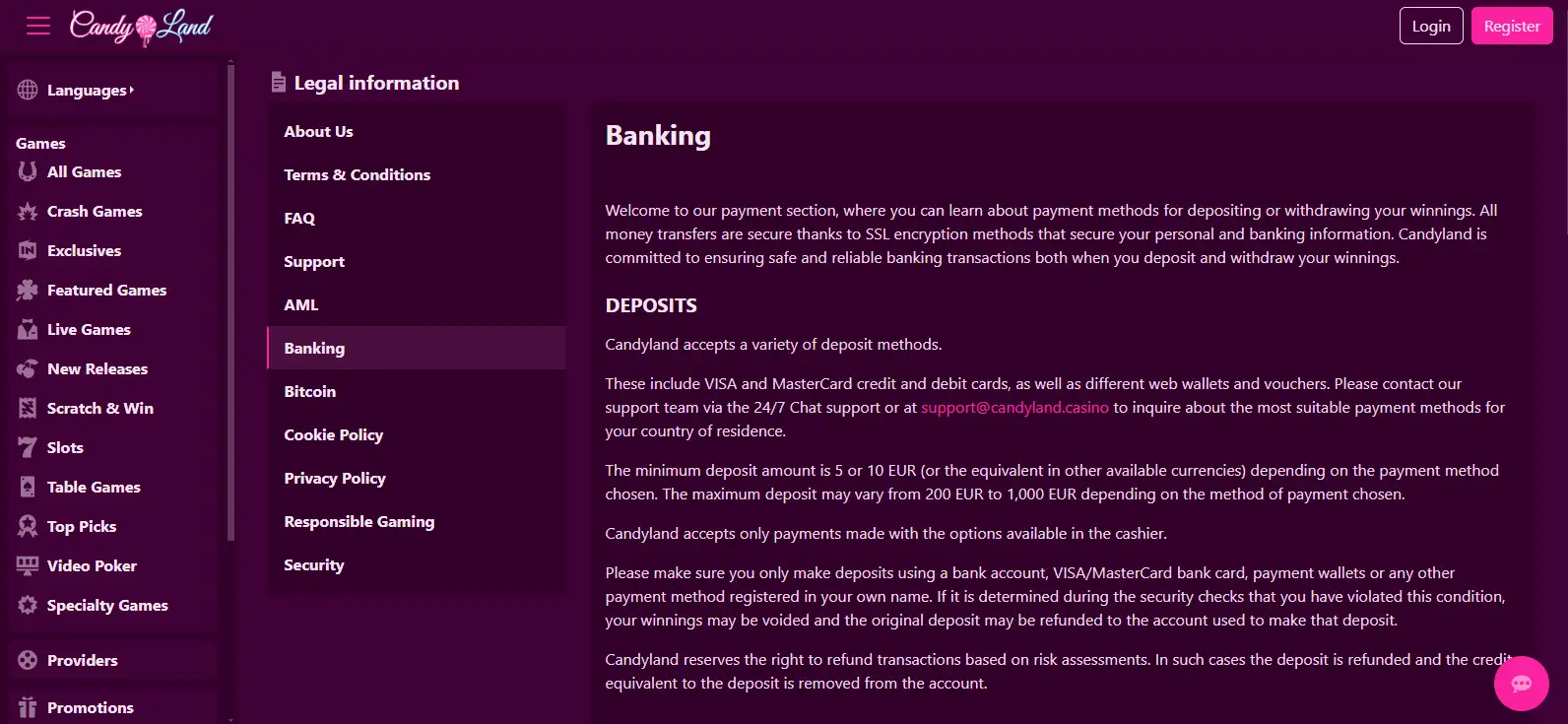
I used to read a payment logo as a kind of promise: if I recognised the name, I assumed the whole process would be straightforward. That was too generous. A logo only tells you which service is being referenced; it does not settle whether the method is currently available, whether a promotion accepts it, or whether it can be used for both sides of a transaction.
So, if you are looking for an e-check alternative, compare the purpose of each route rather than collecting names. A voucher may be deposit-only; an e-wallet may have promotion conditions; and bank-based or card options may have their own availability rules. Keep the distinction clear before you choose. Small detail, real difference.
Instant Deposits Don’t Guarantee Instant Access to Your Winnings
The moment a deposit appears in your casino balance tells you how quickly money went in. It does not tell you how quickly a withdrawal will reach your bank account. I used to treat those as two halves of the same process. They aren’t. A payment can be quick at the start and slow at the end.

A specialist review describes open banking and bank transfers as methods that can provide instant deposits and fast withdrawals at many sites. That is useful context, but it is not a promise about every casino, account or transaction. “Instant” is a description of a possible deposit experience, not a guarantee that the whole journey is instant.
The same distinction matters if you’re considering an e-check. A label suggesting an instant deposit says nothing by itself about how quickly a payout will arrive. The route, the casino’s handling of withdrawals and the bank’s processing are separate parts of the timeline. Check the terms for the transaction you intend to make; don’t infer withdrawal speed from a deposit screen.
Two different clocks
When you deposit, the casino needs to receive confirmation that the payment has been authorised or sent before it can show the funds as available. With some routes, that confirmation can come quickly. A specialist review notes that open banking and bank transfers can make instant deposits possible at many sites.
An instant deposit label does not guarantee a fast withdrawal; the two processes operate on different timelines.
A withdrawal has a different path. You request the money, the casino processes the request, and the payment then has to reach you. A fast incoming payment does not erase those steps or make them happen at the same speed. If you’re planning around money you may want to withdraw, look at the withdrawal information separately from the deposit description.
That sounds obvious when written down. It is easy to forget when the balance updates straight away.
Card deposits show the gap
A specialist review also describes a card deposit appearing instantly while the payout takes several business days. That contrast is the point: the time it takes to put money into an account is not a reliable measure of the time it takes to get money out.
I wouldn’t read “instant deposit” as “instant access to winnings”. The words refer to different transactions. Even when a casino shows a deposit in your balance without a noticeable wait, that does not establish when a later withdrawal will be completed or delivered.
For a practical comparison, check the casino’s stated withdrawal timing for the payment route, not just how quickly the deposit is credited. If the information only describes deposits, it has not answered the question you care about when cashing out. Keep the distinction in mind before you decide that a payment method suits you.
“Fast” needs a direction
Payment claims often sound broader than they are. “Fast” may refer to the deposit reaching the casino, the casino approving a withdrawal, or the money arriving in your account. Those are not interchangeable milestones. If the wording does not tell you which part of the transaction it means, treat it as incomplete rather than extending it to the whole process.
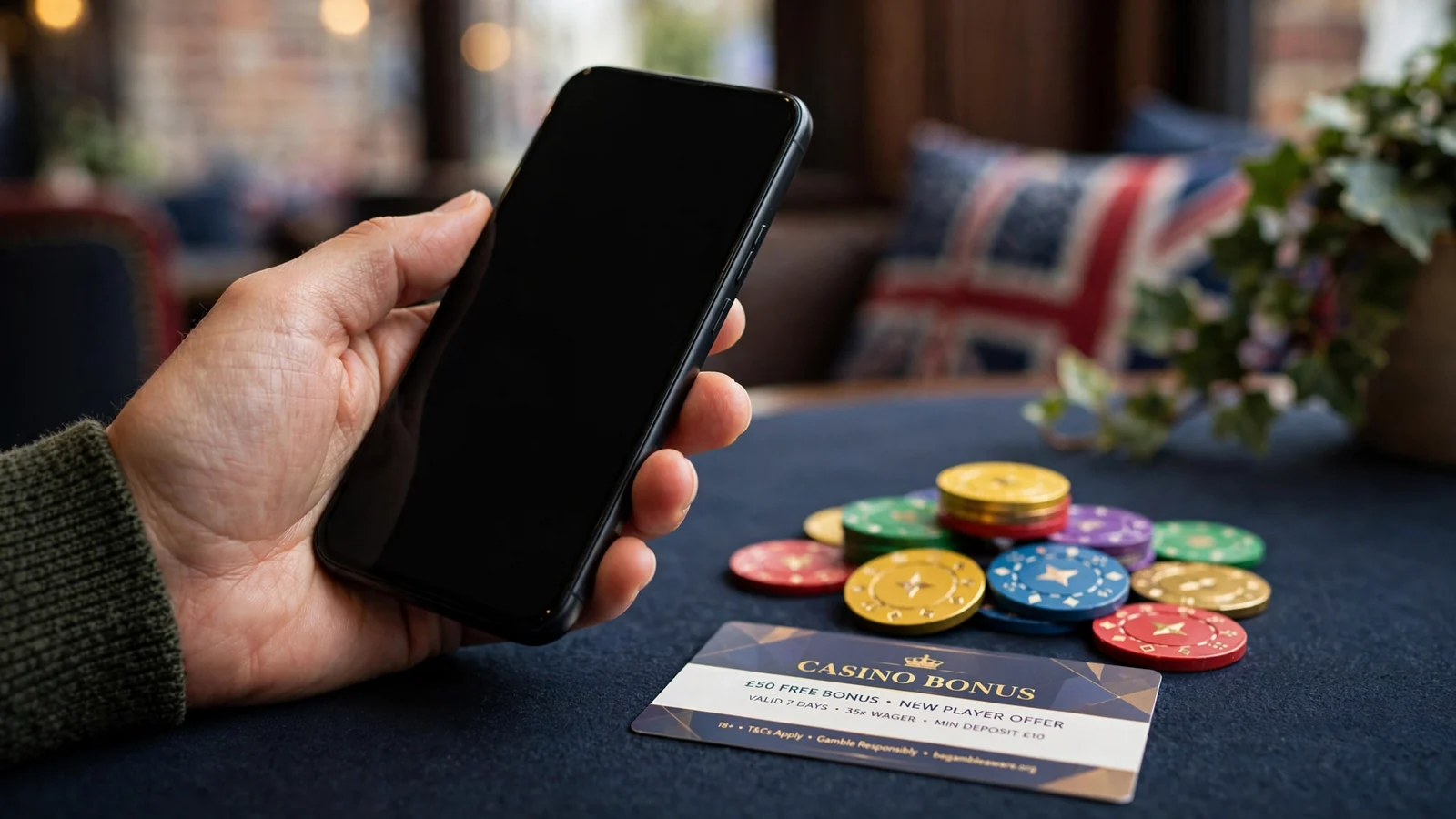
Open banking and bank transfers are described in a specialist review as capable of supporting instant deposits and fast withdrawals at many sites. The wording is deliberately conditional: it does not establish the timing for every operator or every customer. A card example makes the same caution clear from the other direction: an instant deposit can sit alongside a payout that takes several business days.
So, when comparing routes, separate the two questions. How quickly might a deposit become usable? How long might a withdrawal take? You may get different answers, and that is not a contradiction. It is the difference between money going in and money coming back out.
I’d rather know that before depositing than discover it after a win. A quick balance update feels reassuring, but it is only one part of the transaction. Read the withdrawal information as its own promise, with its own conditions, and don’t let an instant deposit label stand in for it. That small distinction saves a lot of crossed wires.
Before You Make an E-Check Deposit
Before entering payment details, check the basics on your casino account: its currency, the deposit amount the selected method will accept, and whether the payment account is in your name. These details are easy to skip when you are focused on getting money into the balance. I have done that, then had to stop and work out why the figures did not line up. Annoying, and avoidable.
A specialist review reports that GBP is supported on the pages it examined, but that does not establish the currency setting for every casino account. Confirm yours before the first transaction. If the account is set to a different currency, a deposit may be converted, and the amount shown by your bank or payment provider may not match the casino balance exactly. Better to catch that before confirming anything.
Deposit Basics Check
- Verify the account currency is correct
- Confirm the minimum deposit amount for the method
- Ensure the payment account is in your name
The same check matters if an e-check appears as a deposit choice. Do not assume that seeing a method name tells you which currency your account uses or what amount it will accept. Read the deposit screen and the account details together. If the currency or amount is unclear, pause and ask the operator rather than guessing.
Minimum deposits are not necessarily identical across payment methods. A specialist review gives a starting range of £10–£20, with the amount depending on the method selected. Treat that as a guide to what you may encounter, not a promise that a particular e-check deposit will start at either figure. The casino’s own deposit screen is the place to confirm the threshold for your account and chosen route.
It is also worth keeping the payment details aligned with your casino registration. Using an account and payment route belonging to the same customer can reduce avoidable questions about who owns the funds. That is not a shortcut around checks; it simply avoids creating a mismatch you then have to explain.
So, before you submit anything, make sure the account currency is right, the displayed minimum suits the amount you intend to deposit, and the payment details are yours. Small checks. Fewer surprises.
How to Judge Whether a Payment Route Is Worth Using
“Best” is a slippery label when payment costs depend on the transaction in front of you. A specialist payment review points out that there is no single route that is cheapest for every player. The useful comparison is the total cost of the amount you intend to move, not a broad claim that one method is always free or low-cost.

I’d check the casino’s charge, then look for fees from the payment provider or your bank. If the payment involves a currency conversion, compare the exchange rate being applied with the amount you expect to arrive. A network fee may also matter for some routes. Add those parts together before deciding. A small-looking charge can be less important than an exchange rate that quietly gives you less value.
The amount matters. A fee structure that makes sense for one transaction may not make sense for another, so compare like with like: the same currency and the same intended amount across the routes you are actually considering. If a price is not shown clearly, do not assume it is zero. Check the cashier, payment provider’s terms or your bank’s fee information before confirming.
I used to focus on the label — “free” meant free, in my head. That was lazy arithmetic. What matters is the final amount charged and, where conversion applies, the value credited after the exchange. Keep a note of both if you are comparing options rather than relying on memory.
For anyone looking into e-check casinos in the UK, value should come after confirming that an e-check is genuinely available for your account and transaction. Do not treat a low-fee claim elsewhere as proof that the cashier offers it. If it is listed, apply the same comparison: casino charge, provider charge, conversion and any network cost for your actual payment.
There is no magic winner. Compare the full cost, check what the cashier displays, and choose only when the numbers make sense to you. If the total remains unclear, pause. A payment route is not worth using just because its headline sounds cheap.
Calculating Value
Compare the total cost—including casino fees, provider charges, and currency conversion—rather than relying on “free” labels.
Check Payment Compatibility in the App and Cashier
A payment logo on a casino’s homepage is not the same as a method you can use from your account. I treat it as a starting point, then check the cashier after signing in. The app and desktop site may not show the same options, and the cashier is where you can see what is available for the transaction you are actually trying to make.
That matters if you are looking for an e-check option in a casino app. Don’t assume that a payment method mentioned elsewhere will appear in your account, or that a method shown for deposits can also be selected for another transaction. Check the available choices in the relevant cashier screen before relying on it.
There is one useful distinction with cards. A specialist review may list Visa and Mastercard, but that does not establish whether either is currently available to you in the UK or whether your particular card product is eligible. Check the cashier and the card’s type. UK-licensed casinos cannot accept credit-card payments for gambling, including credit-card funding routed through a money service business. A card logo alone does not override that rule.
Apple Pay is another example of why the transaction matters: some UKGC-licensed casinos accept it for deposits. That does not tell you that it is available at every casino, on every device, or for withdrawals. If you want to use it, check whether it appears as a deposit option in your own account rather than treating an app-store listing or a general payment page as confirmation.

I also check that the payment account belongs to me and that its details match the casino account. Keeping ownership details consistent can reduce avoidable friction. No clever workaround needed.
The point is not to hunt through every menu. Open the casino’s cashier, choose the intended transaction, and confirm the method is actually offered there. If it is absent, don’t assume the app will accept it just because a general page names it. That small check is less frustrating than finding out only after you have set up a payment.
Deposit Limits Before You Commit
A deposit can be blocked even when a payment method appears in the cashier. Maximums may apply to one transaction, a day or a month, and a specialist casino review reports that they can differ by payment method and account status. Treat any limit you read elsewhere as a starting point, not a promise about your own account.
I’ve learned not to leave this until the moment I’m trying to deposit. Check the amount shown in the cashier and any account messages before confirming. If the cashier gives you a lower maximum than you expected, pause and work out whether it fits your budget; don’t switch routes just to force a larger deposit through.
There’s another control to deal with first. UK Gambling Commission rules require a remote gambling operator to prompt a new customer to set a financial limit before the first deposit. The account must also provide accessible controls for managing limits. This is not just a setting to click past because you want to get to the games. It gives you a chance to decide what you can afford before money leaves your account.
UKGC Requirements
Remote gambling operators must prompt new customers to set a financial limit before their first deposit and provide accessible controls to manage these limits.
I used to treat a deposit cap as the only number worth noticing. That misses the more useful question: what amount have I chosen for myself, and can I keep to it? Set a financial limit that reflects your own circumstances, then check that you understand how to find and change the account controls. If the site’s transaction maximum is lower, the operator’s cap still applies; if your personal limit is lower, stick to that.
No need to rush. If you cannot see the limit controls or understand what the cashier will allow, stop and ask the operator before depositing. A few minutes of checking beats trying to sort it out after the money is in.
The Costs That Can Hide in a Payment
When I look at a casino cashier, I don’t treat the amount entered as the whole cost of a payment. A specialist payment review identifies several possible charges: the casino’s own fee, a payment provider’s charge, and fees from the card issuer or bank. Whether any apply depends on the transaction and the organisations handling it; I check the terms rather than assume the cashier’s displayed amount tells the full story.
Currency conversion is another place where the cost can be easy to miss. If the casino account and the payment route use different currencies, an exchange rate may apply. The charge is not always shown as a separate line. It can be built into the rate offered instead: that difference is the conversion spread. A specialist payment review notes that this spread can cost more than a visible flat fee. It’s the quiet bit.
That matters when considering e-check casino payments in the UK, too. The label on a payment route does not, by itself, tell you what fees might apply, or whether a conversion will happen. I’d look at the casino’s payment terms, the provider’s fee information and, where relevant, my bank or issuer’s charges before confirming anything.

There may also be network costs attached to a payment. These are separate from a casino’s charge and may not appear where you first expect them. So I trace the whole route: casino, provider, bank or issuer, currency conversion and network. No single fee line tells the full story. If the final amount or rate is unclear, I pause instead of treating “no fee” as proof that the transaction is cost-free.
E-Check Withdrawals: Plan for Verification and Processing
An e-check deposit does not automatically mean you can withdraw winnings by e-check. Before treating it as a way to get money out, check the casino’s withdrawal terms and your account cashier. The available route may depend on how you funded the account.
UK anti-money laundering rules generally mean a payout must go back to the original payment source. That closed-loop approach helps the casino check where the funds came from, but it can catch you off guard if you expected to choose a different destination. Returning funds to the same source is also a common anti-fraud control; an alternative may involve extra checks.

Timing is not just the time a payment provider takes. The casino has to approve the withdrawal, and that internal review affects when it is sent. A specialist review notes that a first withdrawal can take longer when KYC is still being completed. Treat that as a possibility, not a fixed timetable: the operator’s process and your account status matter.
I would sort out verification before requesting a payout, rather than waiting for a withdrawal to expose missing details. Make sure the casino can match your account information to the payment route, and respond promptly if it asks for documents. Using an account and payment method belonging to the same customer can reduce avoidable ownership questions.
If the cashier does not show e-check as a withdrawal destination, do not assume a support reply can make it eligible. Ask the operator what route applies to your deposit and whether any additional verification is needed. The key point is simple: approval comes first. Payment comes after.
Do UK casino withdrawals require verification?
Yes, casinos may complete verification before approving a withdrawal, particularly your first one. Your account being fully verified can also affect how quickly you’re paid.
What is the fastest withdrawal method for UK casinos?
PayPal, open banking services and debit cards linked to fast payout systems are generally among the quickest options. The casino’s approval process and your verification status also affect the time.
Why must withdrawals return to the deposit method?
Returning funds to the original payment source is a common anti-fraud and anti-money-laundering control. Using another method may mean extra verification.
Why can a fast payout casino still delay my withdrawal?
A fast payment method does not bypass the casino’s internal approval process. Your first withdrawal may take longer if verification is still being completed.
Can I deposit in GBP?
Yes, GBP is supported. Check your account currency before your first transaction to avoid conversion.
What is the current minimum deposit?
The minimum deposit usually starts at £10–£20, depending on the payment method.
Which payment methods are accepted in Great Britain?
UK casinos commonly accept debit cards such as Visa and Mastercard; other options can include PayPal, open banking, bank transfers, Paysafecard, Skrill and Neteller. Some casinos also accept Apple Pay or Jeton, and the cashier shows which methods are available for your account.
Prepared by the Candyland Casino 4 editorial staff.